
Advertisement
Advertisement

Advertisement

…Former minister recalls Nigeria’s sacrifices during apartheid —
Former Minister of Foreign Affairs, Yusuf Maitama Tuggar, on Thursday, called for a renewed commitment to African unity, warning that hostility against fellow Africans contradicts the principles of Pan-Africanism.
He said the growing incidents of discrimination and anti-migrant sentiments in parts of the continent, particularly South Africa, raised serious questions about Africa’s commitment to solidarity, integration and a shared destiny.

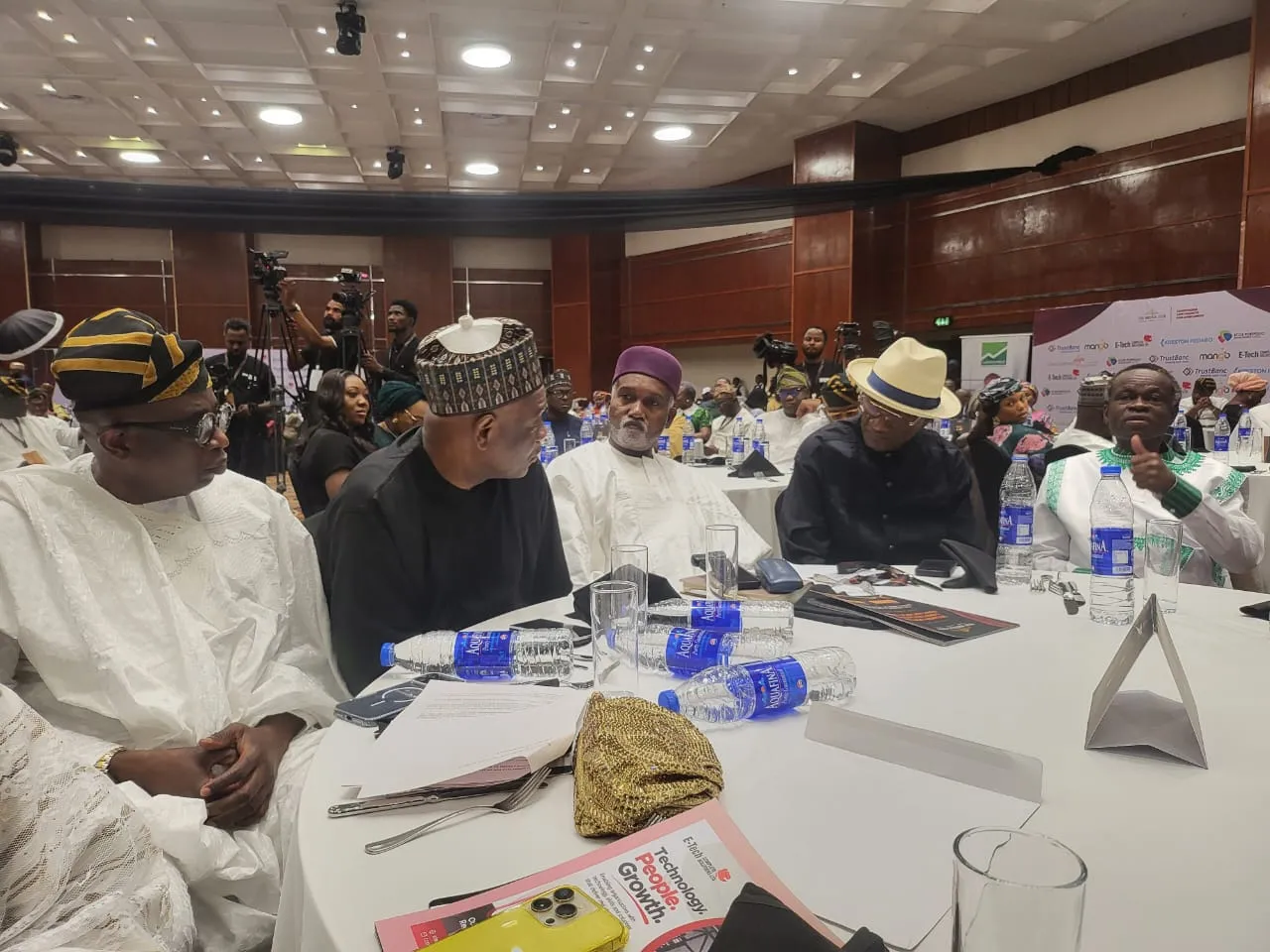
Tuggar spoke at the 2026 end-of-year event of The Bridge Club, which featured renowned African scholar and public intellectual, Professor P.L.O. Lumumba, as keynote speaker.
Tuggar, who chaired the occasion, said it was particularly disappointing that Nigerians and other black Africans were being targeted in a country whose liberation from apartheid had attracted enormous sacrifices from Nigeria and other African nations.
He recalled that Nigeria played a prominent role in the struggle against apartheid, providing scholarships to South African students and supporting liberation movements across Southern Africa.
According to him, Nigerians of his generation grew up with a strong commitment to the liberation of Africa from racist regimes.
He recalled how survivors of the June 1976 Soweto massacre were accommodated in Nigerian boarding schools and supported through scholarships after Nigeria adopted them as its own.
He also cited the establishment of the South African Relief Fund following the intervention of Mrs Maude Obanye, wife of a Nigerian diplomat, as an example of the country’s historic commitment to African solidarity.
Tuggar said Nigeria’s opposition to apartheid went beyond rhetoric, recalling that the country took difficult economic and diplomatic decisions, including the nationalisation of Barclays Bank and British Petroleum, in support of the liberation struggle.
He said the current hostility against fellow Africans was therefore a troubling departure from the ideals that inspired the continent’s liberation movements.
“These are but a very few of the reasons why Nigerians cannot fathom why they and other black Africans are being targeted in South Africa,” he said.
Describing the situation as Afrophobia rather than merely xenophobia, Tuggar argued that the distinction was important because non-black foreigners appeared to be treated differently.
He, however, cautioned against treating historical explanations as justification for discrimination, adding that “context is not justification.”
The former minister traced the roots of segregation in Africa to colonial administrative policies, arguing that systems introduced during colonial rule created divisions along ethnic, cultural and economic lines.
He said such structures left lasting psychological scars that continued to affect relationships among Africans.
Tuggar also warned that Africa’s inability to translate the ideals of political liberation into economic cooperation had weakened the continent’s development prospects.

He argued that African countries needed to prioritise manufacturing, industrialisation and regional trade rather than continue exporting raw materials and importing finished products.
According to him, the African Continental Free Trade Area provides an opportunity to correct the imbalance and build a more integrated continental economy.
He said: “The path to Pan-Africanism is through the continental free trade area.”
Tuggar further maintained that the free movement of labour was essential to the success of economic integration, arguing that Africans should be able to move across the continent to work, invest and contribute to development.
He called for closer cooperation between Nigeria and South Africa, describing their relationship as critical to Africa’s economic and political future.
Earlier, the President of The Bridge Club, Abdulhakeem Mustapha (SAN), said the continued discrimination against Africans in other African countries represented a fundamental contradiction of the ideals of continental unity.
He said Pan-Africanism must be reflected in everyday conduct, institutional practices and the way African countries treat citizens of other African nations.
“How can we preach Pan-Africanism while tolerating attitudes and practices that diminish the humanity and dignity of fellow Africans?” he asked.
Mustapha noted that the destiny of African countries was interconnected and that no country could achieve sustainable prosperity by undermining the dignity and security of others.
He said the Bridge Club deliberately selected the theme to encourage intellectual engagement with one of the continent’s most pressing challenges.
The club president described the organisation as a community of accomplished individuals from different professional, cultural and social backgrounds, united by friendship, mutual respect and a shared commitment to making positive contributions to society.
He said the club’s philosophy was captured in its name, which represented the need to build bridges across differences, connect people and promote understanding.
Mustapha, who was concluding nine years as president of the club, said leadership should be measured by the relationships built, institutions strengthened and opportunities created for others.
He expressed appreciation to members who supported his administration, urging them to sustain the values of camaraderie, tolerance, generosity and mutual respect.
He said the greatest legacy of the organisation should be a united family and a community capable of contributing meaningfully to society.
The event attracted professionals, members of the diplomatic community, business leaders, public servants and other distinguished guests.