Africa is projected to emerge as a major alternative supplier of liquefied natural gas (LNG) to global markets, with exports from Sub-Saharan Africa expected to increase by 175 per cent by 2034….
Africa is projected to emerge as a major alternative supplier of liquefied natural gas (LNG) to global markets, with exports from Sub-Saharan Africa expected to increase by 175 per cent by 2034
The projected growth is expected to be driven by major gas development projects in Mozambique, Nigeria, Senegal and Mauritania, as global energy markets seek to diversify supply sources beyond the Middle East.
Nigeria is particularly positioned to benefit from the anticipated expansion, given its significant natural gas reserves and established LNG export infrastructure.
According to a report by energy publication OilPrice.com, citing projections by Fitch, Sub-Saharan Africa’s LNG exports could rise from 35.7 billion cubic metres in 2024 to 98 billion cubic metres annually by 2034, representing an increase of approximately 175 per cent.
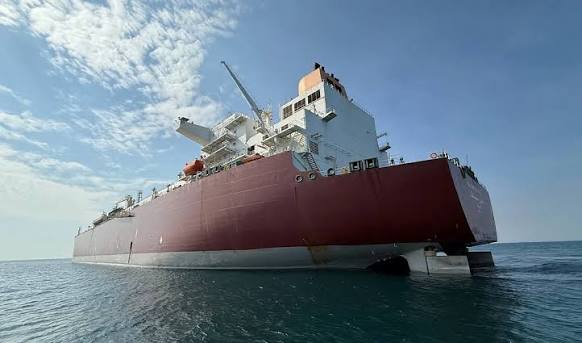
The report attributes the anticipated expansion to increased investment in gas production, new offshore discoveries, expanding export infrastructure and the development of floating LNG facilities.
Nigeria’s gas expansion
Nigeria is expected to remain one of the major beneficiaries of the projected growth, supported by the Federal Government’s Decade of Gas initiative, which seeks to harness the country’s substantial natural gas reserves for industrialisation, domestic energy supply and exports.
A major component of the expansion is the Nigeria LNG Train 7 project, expected to increase the company’s production capacity from 22 million tonnes to 30 million tonnes per annum when completed.
The Nigerian National Petroleum Company Limited and its upstream partners have also signed long-term gas supply agreements to provide feedstock for the country’s LNG operations.
Mozambique, Senegal and Mauritania emerge as major players
Mozambique is also expected to contribute significantly through major developments in the Rovuma Basin, including TotalEnergies’ Mozambique LNG project and Eni’s Coral North floating LNG development.
Senegal and Mauritania have entered the LNG export market through the Greater Tortue Ahmeyim gas project, which delivered its first export cargo in April 2025.
The first phase has an estimated production capacity of about 2.5 million tonnes annually, with a second phase expected to expand output further.
The report also identifies growing opportunities in other African gas-producing countries, including Tanzania, Angola, Congo and Gabon.
Beyond export earnings, the expansion of the gas industry is expected to create opportunities for infrastructure development, employment, industrialisation and improved access to energy across the continent.
The African Energy Chamber projects that upstream investment in Africa could average about $40 billion annually through 2030, reflecting growing interest in the continent’s energy resources.
However, translating the projections into actual production will depend on sustained investment, timely completion of major projects, improved security, regulatory stability and access to international financing.
For Nigeria, the projected boom presents an opportunity to strengthen its position in the global LNG market while accelerating the use of natural gas as a driver of domestic economic growth.